Planning to visit Iran for the first time?
Iran is a fascinating destination with thousands of years of history, diverse landscapes, unique food, beautiful architecture, and a culture that can feel very different from what many foreign visitors are used to.
But before you pack your bags, there are a few important things you should know.
Understanding Iranian customs, money, clothing rules, communication, transportation, and everyday social behavior can make your trip much easier—and help you connect with local people on a deeper level.
Here are 10 essential things foreigners should know before visiting Iran.
1. Learn a Few Persian Words Before You Arrive
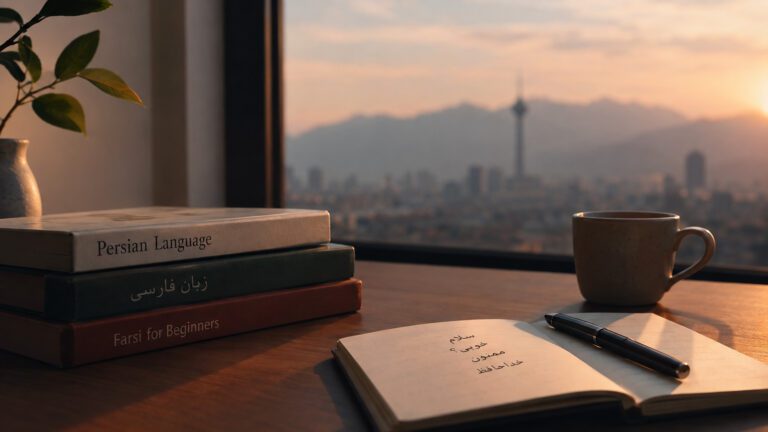
You do not need to speak fluent Persian to travel around Iran, but learning a few basic words and expressions can make a surprisingly big difference.
Persian, also called Farsi, is the main language spoken in Iran. English is understood in many hotels, tourist attractions, and among younger people, but you should not expect everyone to speak English.
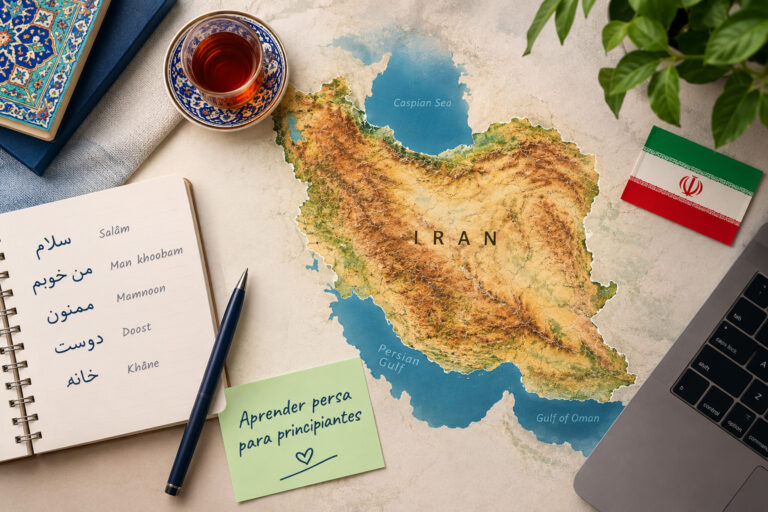
Even simple expressions such as these can be extremely useful:
- Salam – Hello
- Khob hastid? – How are you?
- Merci – Thank you
- Lotfan – Please
- Bebakhshid – Excuse me / Sorry
- Bale – Yes
- Na – No
- Khoda Hafez – Goodbye
- Chetori? – How are you? (informal)
- Nemifahmam – I don’t understand
More importantly, using Persian shows respect and friendliness.
You may be surprised by how positively Iranian people react when a foreign visitor makes an effort to speak their language—even if the pronunciation is not perfect.
If you want to communicate more confidently during your trip, learning practical Persian before traveling can be one of the best preparations you make.
Tip: Focus on conversational Persian rather than trying to memorize complicated grammar. Travel situations require useful expressions that you can actually use in restaurants, taxis, shops, hotels, and everyday conversations.
2. Iran Uses the Rial, but You Will Hear “Toman” Everywhere
One of the most confusing things for first-time visitors is Iranian currency.
The official currency is the Iranian rial (IRR), but people commonly use toman when talking about prices.
One toman equals ten rials.
This means that a price written in rials may look much larger than the amount people actually mention in everyday conversation.
For example, if something costs 500,000 rials, someone may simply say:
“50 thousand toman.”
Always ask whether a price is being given in rials or tomans if you are not sure.
This is particularly important when shopping, taking taxis, ordering food, or paying for services.
It is also useful to become familiar with Persian numerals because you may encounter them on signs, menus, receipts, or price tags.
3. Do Not Expect to Use Your Foreign Bank Card Everywhere
International payment systems can be very different from what travelers are accustomed to in Europe, North America, or many other countries.
Foreign-issued Visa and Mastercard cards generally cannot be used for ordinary payments in Iran because of international banking restrictions.
Therefore, you should plan your finances carefully before traveling.
Cash is still important for many visitors, and you should make sure you have a reliable way to access and exchange money legally during your trip.
Do not assume that your normal bank card or international payment app will work when you arrive.
It is also a good idea to keep your money in secure places rather than carrying all of it with you while sightseeing.
Travel tip: Before your trip, check the latest financial and travel information for your nationality because payment options and regulations can change.
4. Dress Codes Are Important in Public Places
Visitors should understand Iran’s public dress requirements before arriving.
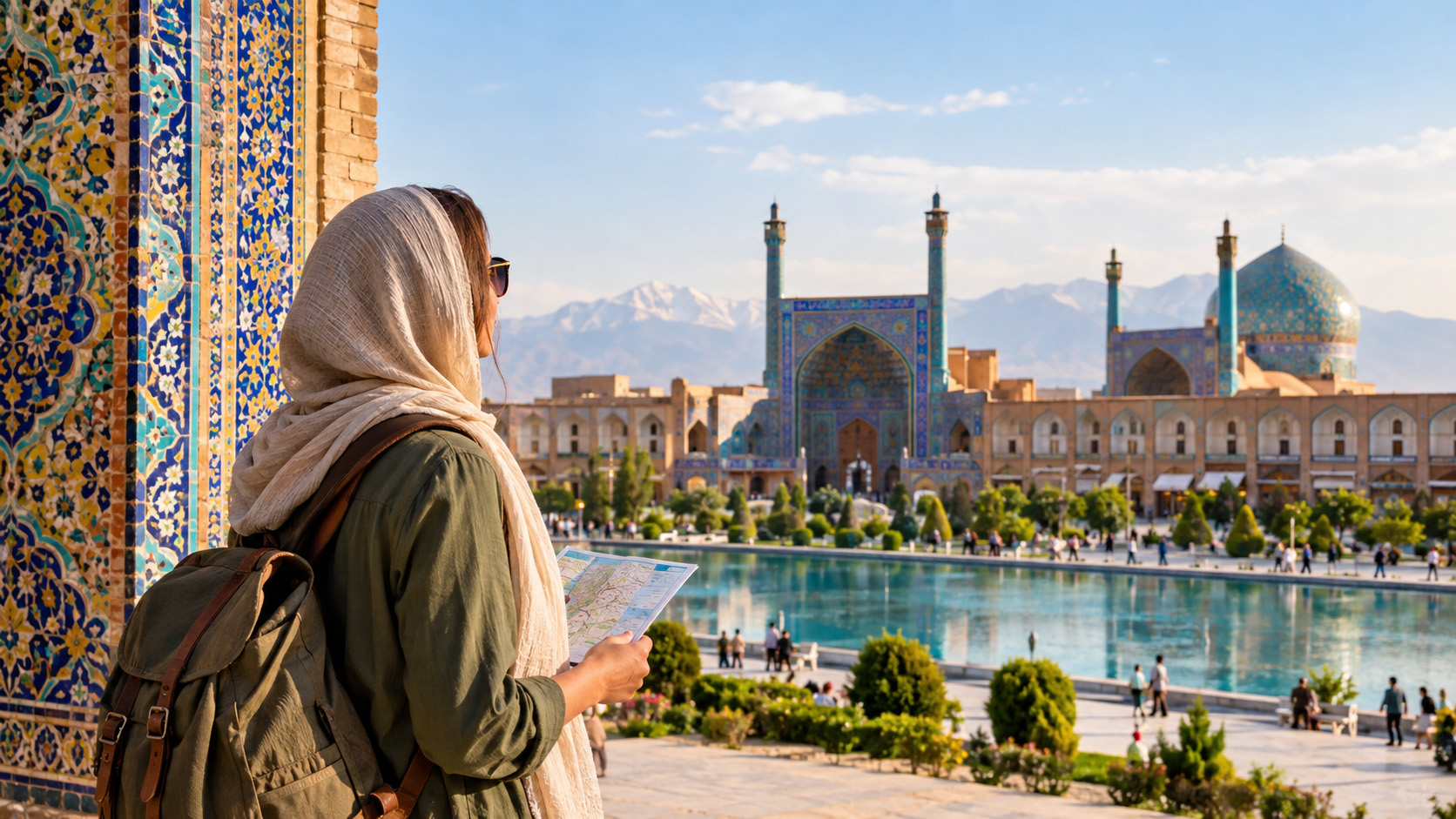
Women visiting Iran should be prepared to wear a head covering and modest clothing in public. Clothing should cover the arms and legs appropriately, and loose-fitting clothes are generally the safest choice.
Men should also dress conservatively in public and should generally avoid shorts.
Dress requirements can be particularly important when visiting religious sites.
The easiest approach is to research the expectations before your trip and pack clothing that allows you to comfortably follow local rules.
Remember that traveling to another country means adapting to its laws and customs, even when they are different from those in your home country.
5. Iranian Hospitality Is a Big Part of the Experience
One of the things many foreign visitors remember most about Iran is Iranian hospitality.
People may invite you for tea, ask where you are from, want to know what you think about Iran, or offer help when you appear lost.
These interactions can sometimes feel surprisingly personal compared with everyday interactions in other countries.
Do not be surprised if a stranger starts a conversation with you.
For many Iranians, asking about your country, your family, your travel plans, and your impressions of Iran is simply a way of being friendly.
At the same time, Iranian social etiquette has some concepts that may be unfamiliar to foreigners.
One example is ta’arof, a complex form of politeness that can influence offers, invitations, and conversations about payment.
You may hear someone offer you something and realize that the situation is more complicated than a simple “yes” or “no.”
Learning a little about Iranian social etiquette can help you understand these situations and avoid confusion.
6. Tea, Food, and Family Are Important Parts of Everyday Life
Iranian culture is closely connected to food, tea, family, and social gatherings.
Tea is served frequently and is an important part of hospitality.
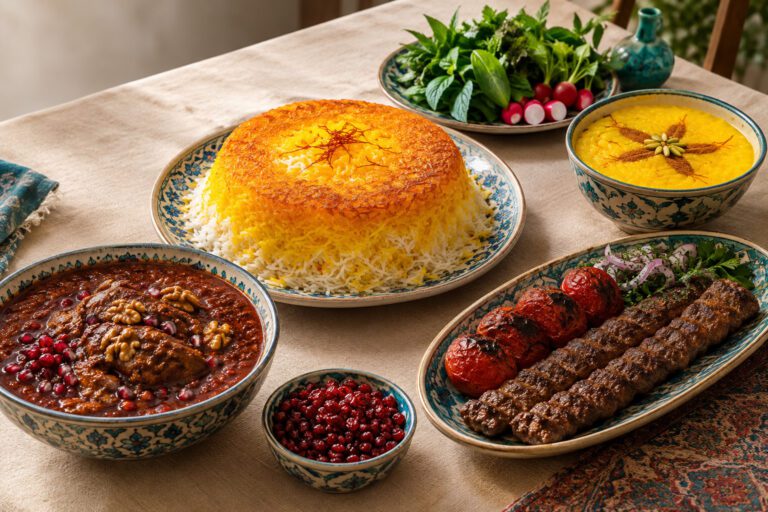
You will also encounter a wide variety of Iranian dishes, from rice-based meals and kebabs to stews, soups, breads, herbs, and regional specialties.
Do not limit your experience to the most famous Persian dishes.
Different parts of Iran have their own food traditions, ingredients, and cooking styles.
If you have the opportunity, try local food outside major tourist areas as well.
Food can also be an excellent way to learn Persian vocabulary.
Knowing words for ingredients, meals, numbers, and common requests can make restaurants much easier to navigate.
For travelers who want to experience Iran beyond tourist attractions, learning the language and understanding everyday culture can turn a normal meal into a much more meaningful experience.
If you’re interested in learning Persian specifically for everyday communication, you can explore the Persian courses available at Learnoteach and choose a course that fits your current level and goals.
7. Public Behavior Can Be Different From What You Are Used To
Iranian social customs may sometimes be different from those in your home country.
For example, public displays of affection should be approached carefully, and visitors should pay attention to local expectations regarding interactions between men and women.
Greetings can also vary depending on the people involved and the social context.
Do not assume that every familiar gesture has exactly the same meaning in Iran.
A friendly smile, a respectful greeting, and observing what local people do are usually good starting points.
When you are unsure about a particular situation, it is perfectly acceptable to pause and observe.
Respecting local customs does not mean that you need to understand everything immediately. It simply means being willing to learn.
8. Internet Access May Not Work the Way You Expect
Internet access is available in many hotels, cafés, restaurants, and other locations, but visitors should be prepared for restrictions and interruptions.
Some international websites, applications, and social media platforms may be inaccessible or unreliable from inside Iran.
Mobile internet can be useful, so researching local SIM card options before or shortly after arrival can be helpful.
However, you should not depend entirely on your phone for navigation or communication.
Download important information in advance, keep important addresses available offline, and make sure you have alternative ways to access essential information.
This is particularly useful when traveling between cities or visiting areas where internet connectivity may be less reliable.
9. Learn to Use Local Transportation
Iran has several transportation options, including taxis, buses, trains, domestic flights, and metro systems in some major cities.
In large cities such as Tehran, the metro can be a practical way to avoid heavy traffic.
Taxis are also common, but first-time visitors should understand how fares are calculated and whether the price is for the whole vehicle or per passenger.
When possible, use reputable transportation services or ask your hotel or accommodation provider for assistance.
Iran is a large country, so do not underestimate the distances between destinations.
A trip that looks short on a map may take considerably longer than expected, particularly when traveling by road.
Planning your itinerary around realistic travel times will help you enjoy your trip instead of spending most of it in transit.
10. Iran Is Much More Diverse Than the Images You May Have Seen Online
Perhaps the most important thing to know before visiting Iran is that the country is much more diverse than many foreigners expect.
Iran is not simply ancient ruins, mosques, deserts, and historical monuments.
You will find modern cities, mountains, forests, beaches, deserts, traditional villages, universities, contemporary art, busy markets, cafés, and very different regional cultures.
Tehran feels different from Shiraz.
Isfahan feels different from Mashhad.
The north of Iran feels very different from the central desert regions.
Each region has its own food, accents, traditions, landscapes, and way of life.
This diversity is one of the reasons learning about Iran before your trip is so valuable.
The more you understand about the language and culture, the more you will notice beyond the typical tourist attractions.
Bonus Tip: Learn Persian Before Your Iran Trip
You can visit Iran without speaking Persian.
But knowing some Persian can completely change your travel experience.
Instead of only seeing Iran through hotels, restaurants, tour guides, and tourist attractions, you can communicate directly with local people.
You can understand signs.
You can order food more confidently.
You can have simple conversations.
You can understand common expressions.
And perhaps most importantly, you can build more authentic connections with people.
You do not need to become fluent before your trip.
Even a beginner-level Persian course focused on practical conversations can give you a useful foundation.
If you are preparing for a trip to Iran, explore Persian language courses at Learnoteach and start building your Persian skills before you travel.
Want to Learn Persian Online?
Learning Persian does not have to wait until you arrive in Iran.
With online lessons, you can start learning from anywhere in the world and build your vocabulary, pronunciation, listening, and conversational skills before your trip.
At Learnoteach, our Persian courses are designed to help international learners develop practical Persian step by step.
Whether you are starting from zero or want to improve your everyday Persian, online learning can help you feel much more confident before traveling.
If you prefer personalized guidance, you can book an online session with Learnoteach and discuss your learning goals with a teacher.
This can be particularly useful if you have a specific travel date and want to focus on practical Persian phrases and conversations before arriving in Iran.
Explore More About Iran and Persian
Planning a trip to Iran is not only about booking flights and accommodation.
Learning about Persian culture, history, language, food, and everyday life can help you understand the country from a completely different perspective.
Continue exploring the Learnoteach blog for more articles about:
- Persian language and pronunciation
- Iranian culture and traditions
- Iranian history
- Persian food
- Everyday life in Iran
- Learning Persian for beginners
- Persian vocabulary and useful expressions
- Travel and communication tips for Iran
You can also combine your reading with structured Persian lessons by exploring the Learnoteach courses.
The more you learn before your journey, the more you’ll be able to experience once you arrive.
Final Thoughts
Iran can be a fascinating destination for travelers who take the time to understand its language, culture, customs, and everyday life.
Before visiting, prepare for differences in currency, dress codes, internet access, transportation, social etiquette, and communication.
And if you are planning to spend time talking with local people, learning even a little Persian can make your experience much more rewarding.
Start learning Persian before your trip, explore Iran through its language and culture, and make your journey more than just a sightseeing experience.