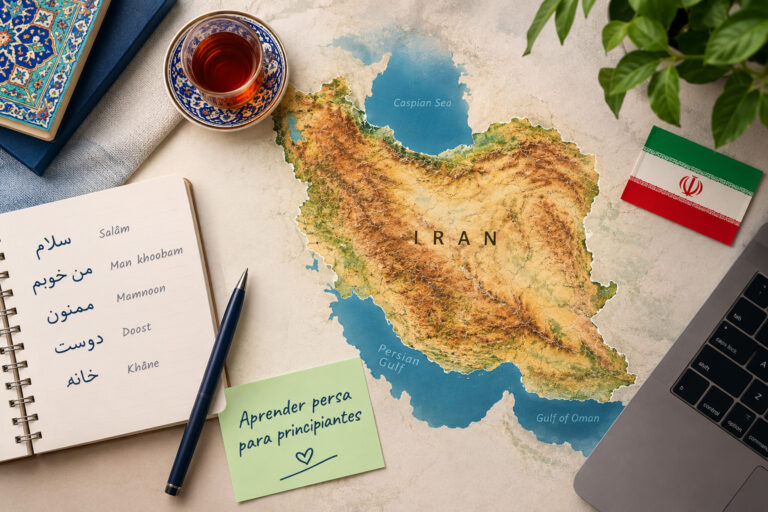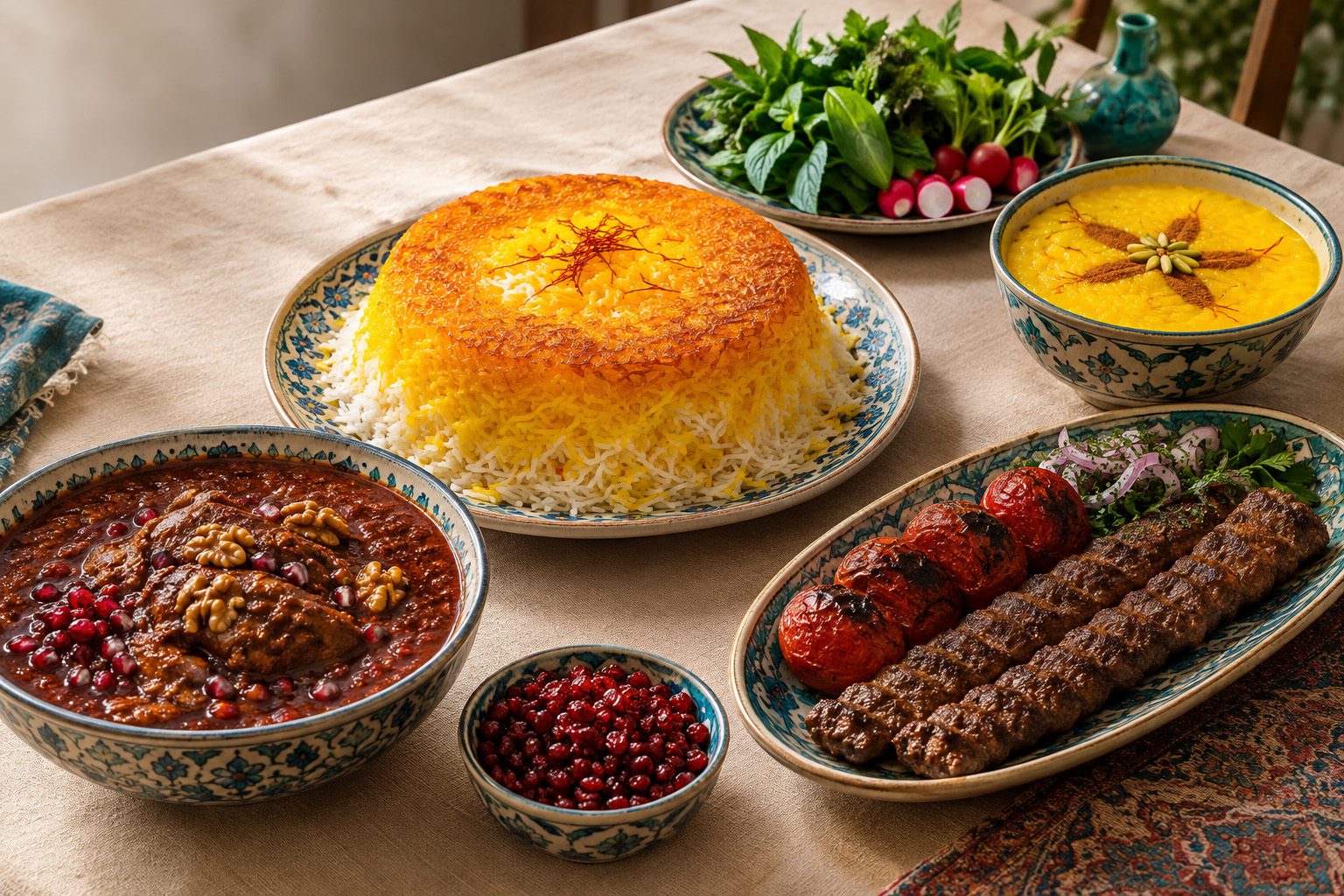
Iranian food is more than a collection of traditional recipes. It reflects the country’s history, geography, regional diversity, and centuries-old culture of hospitality. From fragrant saffron rice and juicy kebabs to slow-cooked stews and delicate Persian desserts, Iranian food offers a remarkable variety of flavors, textures, and aromas.
Often called Persian cuisine, Iranian cooking combines fresh herbs, rice, meat, vegetables, legumes, fruits, and aromatic spices to create dishes that are both comforting and distinctive. Some recipes are closely associated with family gatherings and celebrations, while others are everyday favorites enjoyed across the country.
Whether you are discovering Persian cuisine for the first time, planning a trip to Iran, or simply looking for new dishes to try at home, this guide introduces the essential ingredients, popular meals, regional specialties, and food traditions that make Iranian cuisine unique.
What Is Iranian Food?
Iranian cuisine is the traditional food culture of Iran, a country with diverse climates, landscapes, and regional communities. Its cooking traditions vary from the Caspian Sea region in the north to the central deserts, the western mountains, and the southern coast.
Rice, bread, fresh herbs, vegetables, fruits, and aromatic seasonings play important roles in many Iranian meals. Depending on the dish and region, ingredients may include saffron, turmeric, dried limes, pomegranate, walnuts, barberries, mint, parsley, and cilantro.
One of the defining characteristics of Persian cooking is balance. Sweet, sour, savory, and aromatic flavors often come together in a single dish. Rather than relying exclusively on heat or strong spices, many traditional recipes develop their flavor through slow cooking, careful seasoning, and the combination of complementary ingredients.
Iranian food is also closely connected to hospitality. Sharing a meal is an important part of welcoming guests, celebrating special occasions, and spending time with family and friends.
The Main Types of Traditional Persian Food
Although Iranian cuisine includes countless regional specialties, several categories are particularly important for understanding its culinary traditions.
1. Persian Rice Dishes
Rice, known as berenj in Persian, is one of the foundations of many traditional Iranian meals. It is often prepared with long-grain rice and served alongside stews, grilled meats, or vegetables.
Persian rice is famous for its fluffy texture and delicate aroma. Saffron may be added to create golden-yellow rice with a distinctive fragrance. Another much-loved feature is tahdig, the crispy layer that forms at the bottom of the cooking pot.
Depending on the recipe, tahdig can be made with rice, potatoes, or bread. Its crisp texture contrasts beautifully with the soft rice above it.
Rice dishes may also include herbs, beans, dried fruits, nuts, or other ingredients that add color and flavor. They are especially common at family gatherings, celebrations, and formal meals.
2. Persian Kebabs
Kebab is among the most recognizable types of Iranian food. Persian kebabs are commonly grilled over charcoal and served with rice or flatbread, fresh herbs, grilled tomatoes, and sometimes raw onions.
Popular varieties include Koobideh, made with seasoned ground meat, and Joojeh Kebab, made with marinated chicken. Different regions have their own grilling traditions and specialties.
For example, Dandeh Kebab is associated with Kermanshah in western Iran. This regional specialty uses lamb ribs grilled until tender, smoky, and beautifully browned.
You can explore the regional tradition through the free Dandeh Kebab recipe on Learnoteach.
3. Persian Stews (Khoresh)
Stews, known as khoresh in Persian, are an essential part of traditional Iranian home cooking. They are usually served with rice and often require slow cooking to develop their characteristic depth of flavor.
Persian stews can contain meat, vegetables, legumes, fruits, herbs, or nuts. Some are tangy and savory, while others combine sour and sweet flavors.
Two of the best-known examples are Ghormeh Sabzi and Fesenjan.
Ghormeh Sabzi is a beloved herb stew made with a mixture of herbs, beans, and traditionally meat. Dried limes give it a distinctive tangy flavor, while slow cooking allows the ingredients to blend together.
Fesenjan is a rich stew traditionally prepared with ground walnuts and pomegranate molasses, often with chicken or duck. Its flavor can range from sweet to distinctly sour, depending on the recipe.
Discover the rich, sweet-and-tangy flavors of Fesenjan with this free Persian recipe.
4. Persian Soups and Hearty One-Pot Meals
Iranian cuisine also includes a wide variety of soups and thick, filling dishes.
One famous example is Ash Reshteh, a traditional Persian soup made with herbs, beans, lentils, and noodles. It is often topped with fried onions, mint oil, and kashk, a fermented dairy product commonly used in Iranian cooking.
Ash Reshteh is particularly associated with gatherings, cold weather, and certain traditional occasions. Its thick consistency and combination of ingredients make it a satisfying meal on its own.
Another distinctive dish is Abgoosht, also known as Dizi. This rustic meal traditionally combines meat, chickpeas, beans, potatoes, and other ingredients in a slow-cooked broth. It is often served with bread, herbs, and pickles.
The traditional way of eating Abgoosht makes it especially memorable: the broth may be poured over pieces of bread, while the remaining ingredients are mashed together separately.
You can try these two classics with Learnoteach’s free recipes for Ash Reshteh and Abgoosht.
5. Traditional Persian Desserts
Persian desserts often feature saffron, rose water, cardamom, nuts, and rice. Their flavors tend to be fragrant rather than overwhelmingly sweet, although sweetness varies from one recipe to another.
One of the most recognizable examples is Shole Zard, a golden Persian saffron rice pudding. It is traditionally prepared with rice, sugar, saffron, and rose water, then decorated with cinnamon and sometimes slivered almonds or pistachios.
Shole Zard is often prepared for religious occasions, communal gatherings, and special celebrations. Its golden color and decorative patterns make it as visually distinctive as it is flavorful.
For a closer look at this traditional dessert, try the free Shole Zard recipe on Learnoteach.
Another regional specialty is Sholeh Mashhadi, a thick, hearty dish associated with Mashhad and the Khorasan region. Unlike Shole Zard, which is a sweet dessert, Sholeh Mashhadi is a savory dish traditionally prepared with grains, legumes, meat, and warming spices.
Learn more about this regional favorite through the free Sholeh Mashhadi recipe.
Famous Iranian Dishes You Should Try
If you are new to Persian cuisine, these dishes are an excellent starting point:
- Ghormeh Sabzi: A fragrant herb stew with beans, meat in the traditional version, and dried limes.
- Fesenjan: A rich walnut and pomegranate stew with a distinctive sweet-and-sour flavor.
- Kebab Koobideh: Grilled ground-meat kebab, often served with rice and grilled tomatoes.
- Joojeh Kebab: Marinated chicken kebab with a smoky, savory flavor.
- Ash Reshteh: A hearty noodle and herb soup with beans and lentils.
- Abgoosht (Dizi): A traditional slow-cooked meat and legume dish.
- Tahdig: The crispy layer of rice, potatoes, or bread formed at the bottom of the pot.
- Shole Zard: A fragrant saffron rice pudding decorated with cinnamon.
- Dandeh Kebab: A grilled lamb-rib specialty associated with Kermanshah.
These dishes offer a useful introduction to the different ingredients, cooking methods, and regional traditions found throughout Iran.
Regional Diversity in Iranian Cuisine
There is no single flavor profile that represents every part of Iran. Regional climates, locally available ingredients, historical trade routes, and cultural traditions have all influenced the country’s food.
Northern Iran
The Caspian Sea region is known for its abundant greenery, rice cultivation, fresh herbs, and distinctive local dishes. Fish, olives, garlic, and pomegranate feature in various regional recipes.
Western Iran
Western provinces have rich traditions of grilled meats, hearty meals, and regional specialties. Kermanshah, for example, is particularly associated with Dandeh Kebab.
Central Iran
Central Iranian cooking includes a wide range of rice dishes, stews, breads, and sweets. Saffron, dried fruits, nuts, and aromatic seasonings are important in many recipes.
Southern Iran
Southern Iranian cuisine reflects its warm climate and coastal geography. Fish, seafood, dates, and bold spice combinations appear in many local dishes, with considerable variation between communities.
Khorasan and Northeastern Iran
The Khorasan region has its own distinctive food traditions, including hearty dishes associated with Mashhad. Sholeh Mashhadi is a notable example of the region’s rich culinary heritage.
Exploring regional specialties is one of the best ways to appreciate how diverse Iranian cuisine really is.
The Ingredients That Give Persian Food Its Flavor
Several ingredients appear frequently in traditional Iranian cooking.
Saffron provides a distinctive aroma, golden color, and delicate flavor. It is used in rice dishes, desserts, and some marinades.
Dried limes contribute the characteristic sourness found in many Iranian stews, especially Ghormeh Sabzi.
Fresh herbs such as parsley, cilantro, chives, and fenugreek add fragrance and depth to numerous dishes.
Pomegranate appears in sauces, stews, and other preparations, contributing fruity sweetness and acidity.
Walnuts are especially important in Fesenjan, where they help create its rich texture.
Turmeric and cinnamon provide warmth and complexity in many recipes, although the exact spice combinations vary by dish.
These ingredients demonstrate why Iranian food can taste complex and layered without depending on excessive heat.
Iranian Food and the Culture of Hospitality
Food in Iran is about more than nourishment. It is also a way of expressing generosity, affection, and hospitality.
Guests are often welcomed with tea, fruit, sweets, or a full meal, depending on the occasion. Family gatherings may feature several dishes arranged around a shared table, encouraging conversation and repeated servings.
Certain foods are also associated with particular occasions. Shole Zard, for example, is commonly prepared for communal and religious gatherings, while rice dishes and stews frequently appear at celebrations and family meals.
Learning about these traditions can help you understand the cultural meaning behind the food, not just its ingredients.
Learn Persian Through Iranian Food
Food is also a practical and enjoyable way to begin learning Persian. Cooking introduces you to everyday vocabulary, ingredient names, numbers, measurements, and useful expressions that you can apply in real conversations.
For example:
- Nan (نان) — Bread
- Ab (آب) — Water
- Berenj (برنج) — Rice
- Goosht (گوشت) — Meat
- Morgh (مرغ) — Chicken
- Sabzi (سبزی) — Herbs or greens
- Khoob ast? (خوب است؟) — Is it good?
You can make this experience more meaningful by reading a recipe, identifying its ingredients in Persian, and practicing how to order food or describe a dish.
Explore the Learnoteach course collection for learning resources, or read more articles on the Learnoteach blog to discover Persian language, culture, and everyday life.
If you would like to practice speaking with a native Iranian Persian teacher, you can also book an online Persian class and build your conversational skills through guided practice.
For more cultural content, recipes, and language-learning ideas, follow Learnoteach on Instagram and TikTok.
Start Exploring Persian Cuisine
Iranian food brings together regional diversity, traditional cooking techniques, aromatic ingredients, and a strong culture of hospitality. From the crispy texture of tahdig to the rich flavors of Fesenjan and the delicate fragrance of Shole Zard, every dish offers a different way to discover Iran’s culinary traditions.
You do not need to visit Iran to begin exploring its cuisine. Start with a traditional recipe, learn about the ingredients, and discover the stories behind the food.
Visit Learnoteach to explore Persian culture, discover free recipes, and take your first steps toward learning the Persian language.